The term slot might seem ordinary, yet it represents a fundamental concept that organizes both objects and experiences. At its st666, a slot is a reserved space designed to hold something specific, ensuring that systems function smoothly and efficiently. Whether in technology, gaming, or daily routines, slots create structure, enable flexibility, and open opportunities.
Slots in Technology
In the technological world, slots are practical tools that make systems modular and adaptable. Common examples include:
- Memory slots in computers for installing or upgrading RAM.
- Expansion slots for graphics, network, or sound cards.
- Card or SIM slots in mobile devices to extend functionality.
These slots allow hardware components to fit precisely where they belong. They provide flexibility, enabling upgrades and replacements without redesigning the entire system. In essence, a slot turns complexity into a manageable structure.
Slots in Gaming
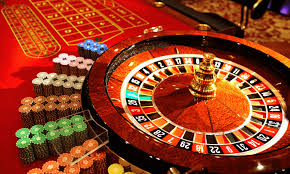
In gaming, the term often refers to slot machines, where chance and anticipation come together. Players spin reels or interact with random systems, hoping for a winning combination.
Modern slot games go beyond mechanical designs, offering:
- Interactive themes and engaging storylines.
- Bonus rounds and free spins.
- Progressive jackpots that increase with each play.
Here, a slot is not merely a container; it is a framework for entertainment, suspense, and reward. The controlled randomness keeps players engaged while maintaining fairness.
Time Slots and Organization
Slots are not only physical; they exist in the realm of time as well. Time slots are periods reserved for specific activities, helping organize tasks and schedules. Examples include:
- Booking appointments or meetings.
- Allocating class or training sessions.
- Scheduling work or project milestones.
By dividing time into slots, individuals and organizations can coordinate efficiently, prioritize effectively, and reduce conflicts. A time slot transforms abstract time into structured opportunity.
The Broader Meaning of Slots
Across all contexts, a slot represents more than an opening—it embodies purpose and intention. Each slot exists to serve a particular function, whether it holds a computer component, a gaming outcome, or a block of time.
Metaphorically, finding one’s “slot” in life—a place or role that fits skills and interests—leads to greater productivity, fulfillment, and balance. Slots, both literal and figurative, highlight how structure allows systems and people to thrive.
Conclusion
A slot is a subtle yet essential element of organization and opportunity. From technology to gaming to daily life, it provides order, flexibility, and a framework for action. Recognizing the importance of slots shows how even the smallest designated spaces can have a profound impact on efficiency, experience, and success.